
















































































































































Simple Daily Habits to Support Natural Body Detox: 10 Evidence-Based Tips
Author: RVLNSV PRASAD
Updated On: October 2026
About Us
Author Bio
Editorial Policy
Contact Us
Medical Review: This article has not been independently reviewed by a qualified healthcare professional.

Introduction
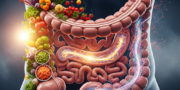
Simple daily habits to support natural body detox can help you build a healthier lifestyle without relying on expensive detox drinks, restrictive diets, or unproven supplements. Your body already has natural systems that process substances and remove waste, including the liver, kidneys, lungs, and digestive system. Supporting these systems starts with everyday choices rather than quick fixes.
Many people turn to detox products when they feel tired, experience digestive discomfort, or want to improve their overall health. However, scientific evidence supporting commercial detox diets and cleanses remains limited, according to the National Center for Complementary and Integrative Health (NCCIH). Some cleansing programs can even cause dehydration, nutritional deficiencies, or other health problems.
A more practical approach is to drink enough water, eat fiber-rich foods, stay physically active, get adequate sleep, and limit exposure to harmful substances. These habits support normal body functions and can contribute to long-term well-being when practiced consistently.
In this guide, you will discover 10 evidence-based daily habits, simple routines you can follow at home, common detox mistakes to avoid, and practical ways to make healthier choices without spending extra money. You will also learn what research says about natural detox methods so you can make informed decisions about your health.
Quick Answer
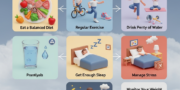
The simplest daily habits to support natural body detox are drinking enough water, eating fiber-rich foods, choosing balanced meals, moving regularly, getting adequate sleep, limiting alcohol, avoiding tobacco, and managing stress. These habits support normal body functions, including digestion, circulation, and the work of the liver and kidneys.
You do not need an expensive detox drink, juice cleanse, or restrictive diet to maintain these functions. The National Center for Complementary and Integrative Health (NCCIH) explains that scientific evidence supporting commercial detox diets and cleanses is limited. Some programs can also cause dehydration, nutrient deficiencies, or other health problems. Read the NIH’s evidence-based guidance on detoxes and cleanses before trying one.
Key Takeaways
-
Your liver and kidneys already perform essential processes involved in handling substances and removing waste.
-
Water supports normal body functions, but drinking excessive amounts does not provide extra detox benefits.
-
Fiber-rich foods help support bowel regularity and digestive health.
-
Regular physical activity, sufficient sleep, and balanced meals support long-term health.
-
Lemon water, herbal drinks, and particular foods should not be treated as proven toxin-removal treatments.
-
Avoid laxative cleanses, unverified detox supplements, and extreme fasting plans.
-
Small habits that fit your daily routine are more practical than short, restrictive wellness challenges.
What Does Natural Body Detox Really Mean?
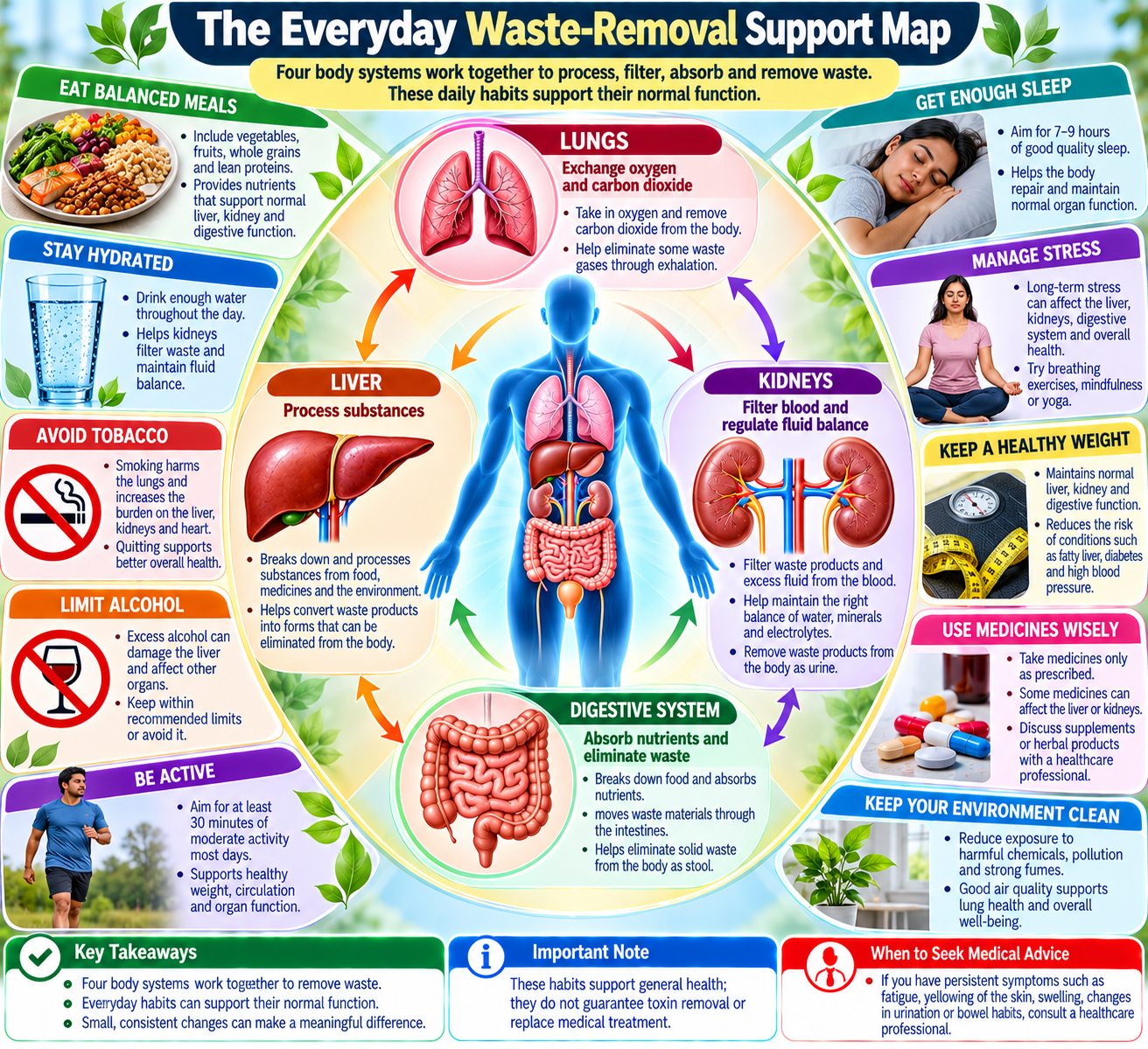
The word detox is used in several different ways. In medicine, detoxification can refer to specific treatments for certain poisonings, toxic exposures, or substance-related conditions. These situations may require professional assessment and targeted medical treatment.
Commercial detox programs often use the same term to promote juice-only diets, herbal products, fasting, laxatives, or colon-cleansing procedures. Their claims are not supported by the same level of evidence.
A critical review published in the Journal of Human Nutrition and Dietetics found little clinical evidence supporting commercial detox diets for eliminating toxins or managing weight. The review is available through PubMed.
For everyday wellness, a more accurate approach is to support the body’s normal functions rather than assume it needs a special cleansing treatment.
How the body handles waste
| Body system | Main role | Helpful everyday approach |
|---|---|---|
| Liver | Processes nutrients, medicines, alcohol, and many other substances | Eat a balanced diet and limit alcohol |
| Kidneys | Filter blood, remove waste and excess water, and maintain fluid and mineral balance | Follow appropriate hydration habits and manage blood pressure |
| Digestive system | Breaks down food, absorbs nutrients, and moves waste out of the body | Eat fiber-rich foods and maintain regular meals |
| Lungs | Exchange oxygen and carbon dioxide | Avoid smoking and reduce exposure to harmful airborne substances |
| Skin | Acts as a protective barrier and helps regulate temperature through sweating | Protect skin and avoid unsupported claims about sweating out toxins |
These systems work together, but they do not all perform the same functions. For example, sweating is primarily important for temperature regulation. A sauna session is not a substitute for medical treatment when someone has a toxic exposure.
The NCCIH review of detoxes and cleanses explains why claims made by commercial cleansing programs deserve careful scrutiny.
1. Drink Water Regularly Instead of Forcing Excessive Amounts
Hydration is one of the easiest daily habits to improve. Water supports normal body temperature, circulation, digestion, and the removal of waste through urine and bowel movements.
The important point is to drink enough for your individual needs rather than follow a rigid detox-water formula. Requirements vary with temperature, physical activity, body size, pregnancy, illness, and certain medical conditions.
The CDC’s guidance on water and healthier drinks, updated in March 2026, explains that water helps prevent dehydration and supports normal body functions.
An easy hydration habit
Keep a reusable water bottle where you work or study. Drink with meals and take regular drinks throughout the day, especially when the weather is hot or you are physically active.
You can add lemon slices or mint for flavor if you enjoy them. However, lemon water has not been shown to cleanse the liver or remove toxins more effectively than ordinary water.
A useful personal experiment: For three days, observe when you usually drink water. If you regularly go for long periods without drinking, add a convenient reminder at those times. This helps address your actual routine instead of forcing an arbitrary target.
People with kidney failure, certain heart conditions, or prescribed fluid restrictions should follow their clinician’s advice rather than increase water intake without guidance. The NIDDK explains why some people with kidney failure need to limit fluids.
2. Eat More Fiber-Rich Foods to Support Digestion
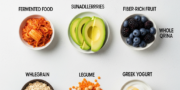
Fiber is a practical way to improve the quality of your daily diet. It is found in foods such as beans, lentils, oats, whole grains, fruits, vegetables, nuts, and seeds.
Some types of fiber help retain water in stool, while others can be fermented by gut microbes. These functions contribute to bowel regularity and other aspects of digestive and metabolic health.
A 2024 clinical review discussed the relationship between dietary fiber, gut microbes, and metabolic health. You can read the research in Clinical and Translational Medicine through PubMed Central.
How to add fiber without making meals complicated
-
Add oats or another whole grain to breakfast.
-
Include beans, chickpeas, or lentils in lunch or dinner.
-
Eat a whole fruit instead of relying on juice.
-
Add vegetables to familiar meals.
-
Choose nuts or seeds in sensible portions when appropriate.
Increase fiber gradually, particularly if you currently eat very little of it. Increasing it suddenly may cause gas or bloating. Drink adequate fluids unless you have a medical fluid restriction.
The World Health Organization’s healthy diet guidance recommends a varied diet rich in vegetables, fruits, pulses, and whole grains. Its guidance also emphasizes that healthy eating should be adapted to individual needs and local food choices.
A practical idea: Rather than buying a supplement immediately, add one familiar fiber-rich food to a meal you already eat. This makes the habit easier to maintain and helps you learn which foods suit your digestion.
3. Build Balanced Meals Instead of Following a Detox Diet
A balanced diet provides energy, protein, fats, vitamins, minerals, and fiber. Restrictive detox diets may leave out important nutrients, especially when they replace regular meals with juice or other drinks.
You do not need costly imported ingredients to eat well. Many affordable foods can form the foundation of a balanced diet.
For example, an Indian meal might include rice or roti, dal or beans, vegetables, and a suitable source of protein such as curd, eggs, fish, tofu, or another food that fits your dietary preferences.
A simple balanced plate
| Meal component | Everyday examples |
|---|---|
| Vegetables | Carrots, spinach, gourds, tomatoes, cabbage |
| Protein-rich foods | Dal, chickpeas, beans, eggs, fish, tofu |
| Whole grains or other staple foods | Oats, whole-wheat roti, millets, brown rice, or suitable portions of rice |
| Fruit | Guava, orange, apple, papaya, or seasonal fruit |
| Healthy fats | Nuts, seeds, and suitable amounts of vegetable oils |
No single meal needs to be perfect. The overall pattern matters more than whether you eat a particular so-called detox food.
The WHO’s healthy diet recommendations emphasize dietary variety, balance, moderation, and adequate nutrition.
A lesser-known practical lesson: improve the meal you already eat
Instead of creating a completely new menu, identify one weakness in your current meals. If breakfast contains little fiber, add fruit or oats. If lunch is mostly rice or roti, add dal and vegetables. If you often skip meals and become very hungry later, plan a convenient balanced option.
This approach reduces friction, food waste, and the pressure to follow an expensive wellness routine.
4. Move Every Day, Even If You Cannot Visit a Gym
Physical activity supports cardiovascular health, metabolic health, mobility, and mental well-being. It is not a special detox treatment, but it is an important part of a healthy lifestyle.
Walking is an accessible starting point for many people. Other options include cycling, dancing, household activities, gardening, swimming, and strength exercises suited to your abilities.
The CDC’s adult physical activity guidance recommends that adults aim for at least 150 minutes of moderate-intensity aerobic activity each week, along with muscle-strengthening activity on at least two days. Some activity is better than none, and people can build up gradually.
Make movement part of an existing activity
Try walking for 10 minutes after a meal, taking a short movement break during long periods of sitting, or walking while speaking on the phone. If your schedule is unpredictable, two or three short sessions may be more realistic than planning one long workout.
You do not have to sweat heavily to benefit from movement. Sweating more does not prove that you have removed more toxins.
A useful self-check: At the end of the day, ask whether you had any movement beyond sitting and routine travel. If not, choose one small opportunity for tomorrow. Repeat it until it becomes manageable, then increase the duration when appropriate.
5. Protect Your Sleep With a Consistent Routine
Sleep supports brain function, recovery, mood, and many processes involved in physical health. Repeatedly sleeping too little can make it harder to concentrate, regulate emotions, and maintain a consistent daily routine.
The National Heart, Lung, and Blood Institute states that most adults need around seven to nine hours of sleep each night.
An evening routine that is realistic
-
Keep your bedtime and wake time reasonably consistent.
-
Reduce stimulating activities before bed.
-
Make your sleeping space comfortable, quiet, and dark where possible.
-
Avoid late-day caffeine if it interferes with your sleep.
-
Give yourself enough time to wind down.
A useful approach is to change the beginning of your evening rather than trying to force sleep at a particular minute. For example, prepare tomorrow’s clothes, dim the lights, and put your phone away before you feel exhausted.
What if you sleep badly despite trying?
Persistent insomnia, loud snoring with pauses in breathing, or severe daytime sleepiness may need professional assessment. Do not assume that tiredness means your body needs a detox product.
The NHLBI’s information on sleep and health explains the role of good-quality sleep in maintaining health.
6. Reduce Sugary Drinks Without Replacing Them With Detox Teas
Sugary drinks can add substantial amounts of sugar to your diet without providing the same fullness as many whole foods. Replacing some of these drinks with water or unsweetened alternatives can be a practical improvement.
You do not need to eliminate every enjoyable drink immediately. Start by identifying the one you consume most often.
Simple swaps
| Usual habit | More practical alternative |
|---|---|
| Sugary soft drink with lunch | Water or unsweetened sparkling water |
| Sweetened tea several times a day | Gradually reduce the added sugar |
| Packaged fruit drink | Whole fruit and water |
| Detox tea marketed for cleansing | Ordinary water or a suitable unsweetened drink |
Herbal teas can be enjoyable, but their safety depends on the ingredients, dose, and individual health circumstances. Some products contain laxatives or ingredients that interact with medicines.
The NCCIH’s detox guidance warns that some cleansing programs can cause dehydration and electrolyte problems. A drink that increases bowel movements is not proof that it has removed harmful toxins.
7. Support Your Liver by Limiting Alcohol and Avoiding Tobacco
Your liver processes many substances, including alcohol and numerous medicines. Excessive alcohol intake can damage the liver, and avoiding alcohol is an important preventive step for people who drink heavily or have liver disease.
Avoid treating a juice cleanse as a way to cancel out alcohol-related harm. The more useful approach is to reduce exposure and seek medical help when needed.
If you drink alcohol, consider reducing how often you drink and how much you consume. People who may be dependent on alcohol should seek professional guidance, because sudden withdrawal can be dangerous in some circumstances.
Tobacco smoke exposes the body to harmful chemicals and increases the risk of serious diseases. Quitting smoking provides health benefits at any age. The CDC’s overview of the benefits of quitting smoking explains why stopping is worthwhile even after years of smoking.
A more useful goal than a perfect detox
Focus on one change that reduces harm. This might mean speaking to a healthcare professional about alcohol use, asking for help to stop smoking, or avoiding secondhand smoke where possible.
Do not replace cigarettes or alcohol with unverified supplements that promise to cleanse your organs. If you are concerned about liver health, ask a clinician whether your symptoms, history, or risk factors warrant assessment.
8. Eat a Wider Variety of Fruits and Vegetables
Fruits and vegetables supply fiber, vitamins, minerals, and many other compounds that contribute to a healthy diet. Eating different varieties can improve nutritional diversity without requiring a specific detox food.
For instance, guava, papaya, oranges, tomatoes, leafy greens, carrots, and seasonal vegetables can all contribute to a balanced eating pattern. Fresh, frozen, and appropriately stored options can be useful depending on availability and cost.
The WHO’s guidance on fruit and vegetable intake describes their role in healthy dietary patterns and reducing the risk of certain noncommunicable diseases.
Try the color-and-variety method
Instead of buying a long list of ingredients, look at the produce already available at home. Add a vegetable to a meal that usually lacks one, or rotate fruits across the week.
Color can be a helpful reminder to vary your choices, but it is not a scientific measure of detox strength. A single green smoothie cannot replace a varied diet.
An easy budget tip: Buy seasonal produce, use vegetables in soups or curries, and freeze suitable foods when practical. Healthy eating should fit your budget and culture rather than depend on expensive imported products.
9. Manage Stress With Small, Repeatable Actions
Stress can affect sleep, appetite, concentration, and the choices people make during a busy day. Managing stress will not magically flush toxins from the body, but it can help you maintain other healthy routines.
Useful approaches include slow breathing, walking, listening to music, writing down concerns, spending time with supportive people, or taking a short break between tasks.
Try a two-minute reset
Sit comfortably, relax your shoulders, and breathe slowly without forcing deep breaths. Notice whether you are holding tension in your jaw, neck, or hands. After a minute or two, choose one manageable next action.
This is a simple way to interrupt an automatic stress response. It is not a treatment for every anxiety or mental health condition.
If stress remains overwhelming, affects daily functioning, or is accompanied by persistent low mood, consider talking with a qualified healthcare professional. More serious symptoms deserve more than a lifestyle checklist.
10. Reduce Unnecessary Chemical Exposure and Use Supplements Carefully
A less discussed part of everyday wellness is reducing avoidable exposure to harmful substances. This is different from buying a product that claims to remove toxins already stored in the body.
Practical measures may include following product labels, using cleaning chemicals in well-ventilated spaces, avoiding smoke, washing produce under running water, and storing household chemicals away from food and children.
Do not mix household cleaning products, and never assume that a product is safe because it is labeled natural.
Be cautious with detox supplements
Supplements can contain ingredients that interact with medicines or cause side effects. Product claims may be stronger than the available evidence, and supplements should not replace prescribed treatment.
If you take regular medicines, have liver or kidney disease, are pregnant, or have another significant medical condition, discuss supplements with your healthcare professional before using them.
The NCCIH’s consumer guidance on detoxes and cleanses explains that some products and cleansing practices can be unsafe. A suspected poisoning or dangerous chemical exposure needs appropriate emergency or poison-control advice, not a home detox routine.
The Most Useful Habit Many Detox Articles Overlook: Track the Cause, Not Just the Symptom
A practical way to make these habits more useful is to keep a short daily record of what you actually do and how you feel. This is not a validated detox test. It is a simple self-observation method that can help you identify routines worth changing.
For one week, record four items:
-
Approximate sleep duration.
-
Whether you ate a fiber-rich food.
-
Whether you moved your body.
-
Whether you drank water regularly and limited sugary drinks.
Add a brief note about symptoms such as constipation, unusual fatigue, or poor sleep if relevant.
At the end of the week, look for patterns rather than judging individual days. You may notice that late nights make morning exercise less likely, or that long periods of work lead you to forget drinking water.
Change one pattern at a time. This makes it easier to identify what is practical and sustainable.
Remember that a habit tracker cannot diagnose disease or measure toxin levels. Persistent or concerning symptoms need medical evaluation.
A Simple Seven-Day Plan to Begin
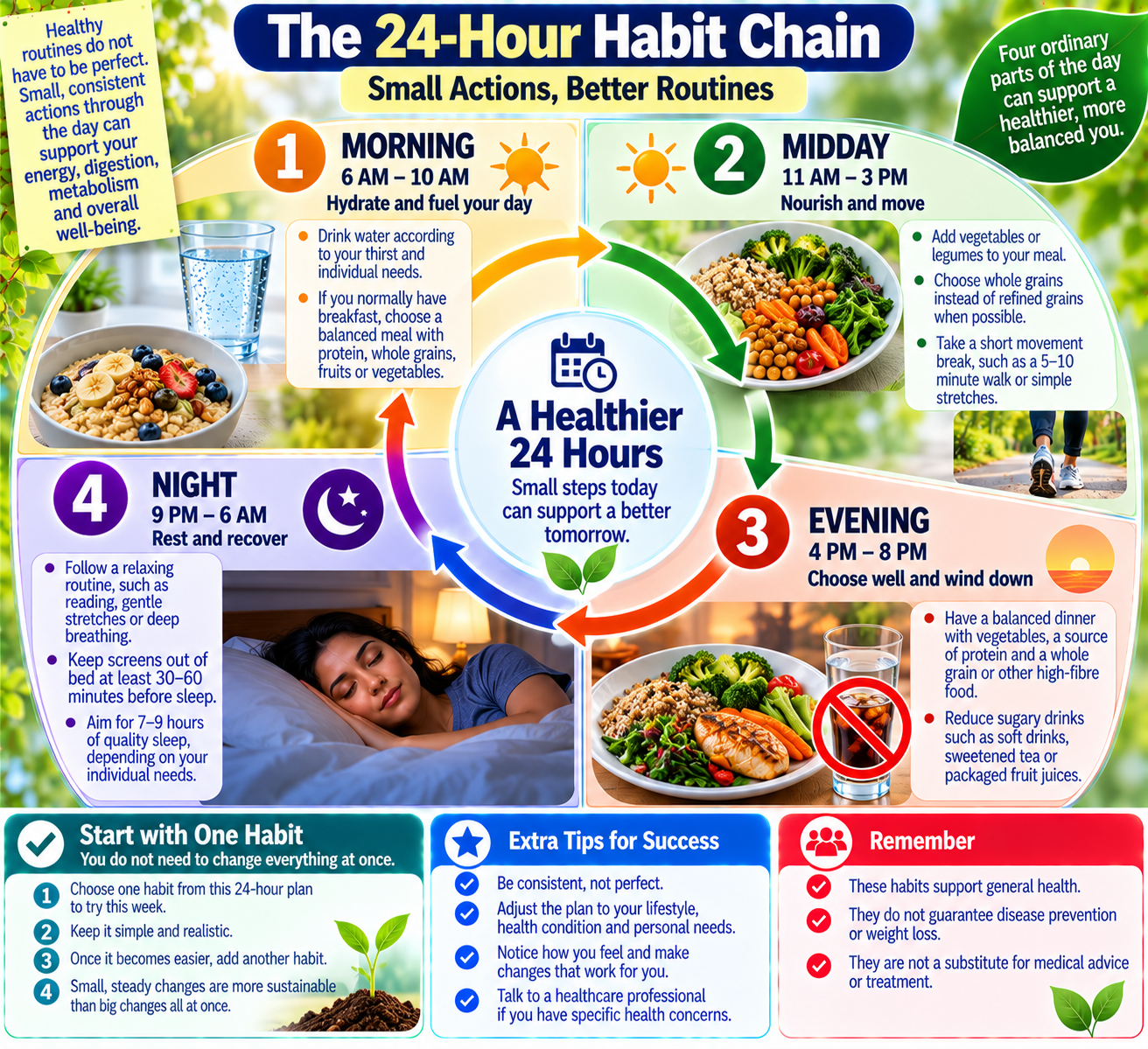
You do not need to change every habit at once. Use this seven-day plan as a gentle starting point, adjusting it for your schedule and health needs.
| Day | Small action | What to notice |
|---|---|---|
| Day 1 | Keep water available and drink regularly | When you tend to forget fluids |
| Day 2 | Add one fruit or vegetable to a meal | Which option is easy to repeat |
| Day 3 | Walk or do another comfortable activity for 10 minutes | How movement fits your schedule |
| Day 4 | Add beans, oats, lentils, or another fiber-rich food | How your digestion responds |
| Day 5 | Replace one sugary drink with an unsweetened option | Which drinks you enjoy |
| Day 6 | Start a consistent wind-down routine | What helps you prepare for sleep |
| Day 7 | Review the week and repeat your easiest habit | Which change feels sustainable |
If you miss a day, simply continue. The purpose is to learn what works in your real life, not to complete a perfect challenge.
People with medical conditions, mobility limitations, fluid restrictions, or specific dietary needs should adapt the plan with appropriate professional guidance.
Common Detox Mistakes to Avoid
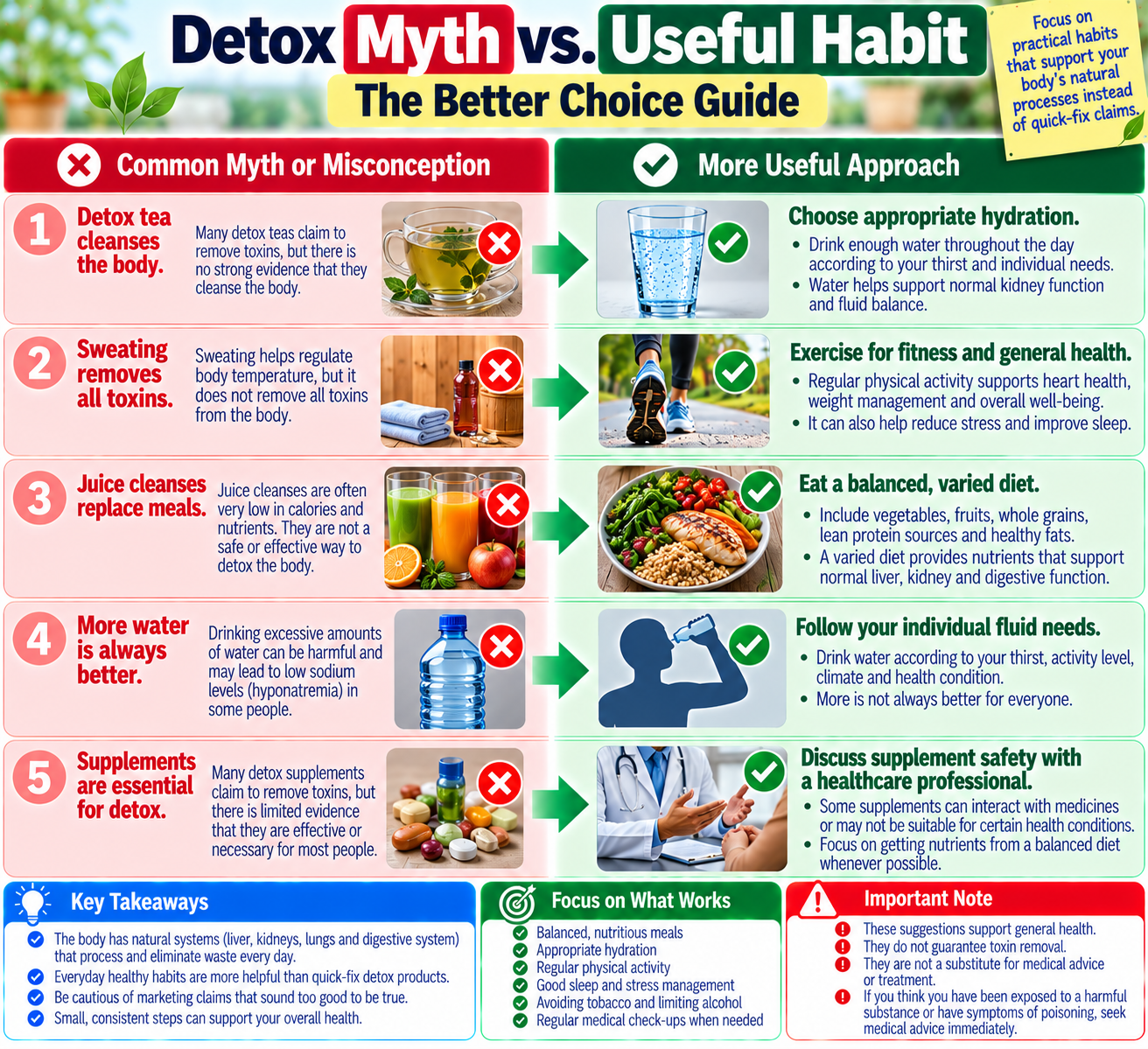
Expecting immediate results
Healthy habits do not guarantee that you will feel dramatically different in a few days. Changes in energy, digestion, and sleep can have many causes, and some benefits may take time.
Drinking excessive amounts of water
More water is not always better. Drinking too much in a short period can dangerously disturb the body’s sodium balance, and people with certain medical conditions may need fluid limits.
Using laxatives to cleanse the body
Laxatives are not general-purpose detox treatments. Misuse can lead to diarrhea, dehydration, and electrolyte disturbances.
Believing sweating removes every toxin
Exercise and sweating can support normal health and temperature regulation, but sweat is not a substitute for the liver and kidneys. Avoid extreme heat or sauna use to chase a supposed cleansing effect.
Buying supplements before changing basic habits
A costly product may offer little benefit and may create safety risks. Start with practical food, sleep, movement, and hydration habits instead.
Treating every symptom as a toxin problem
Persistent tiredness, swelling, unexplained weight changes, jaundice, ongoing digestive problems, or changes in urination should not automatically be blamed on poor detoxification. These symptoms may need medical evaluation.
The key lesson is to use evidence-based care when something is wrong rather than trying increasingly restrictive cleanses.
How Can You Tell Whether Your Habits Are Helping?
Look for practical changes that matter in everyday life. You may find it easier to maintain a sleep schedule, include more fiber-rich foods, or fit regular movement into your day.
Depending on your starting point, you might also notice improved bowel regularity or fewer sugary drinks in your routine. These changes do not prove that toxins have been removed, and they should not be used as a substitute for medical tests.
If you have a diagnosed condition, the most relevant measures may be those recommended by your healthcare professional, such as blood pressure, blood glucose, cholesterol, or specific liver and kidney tests.
There is no single feeling, urine color, bowel movement, or sweat pattern that can reliably tell you whether your body has been detoxified.
Frequently Asked Questions
1. Does the body naturally detox itself?
The body has systems that process substances and remove waste, including the liver, kidneys, lungs, and digestive system. These functions are essential for health, but they do not make every toxic exposure harmless. Poisoning and significant chemical exposure require appropriate medical advice.
2. What is the fastest natural way to detox your body?
There is no proven universal home method that rapidly removes unspecified toxins. Maintain appropriate hydration, eat balanced meals, avoid harmful substances, and follow medical advice if you suspect an exposure or have symptoms.
3. Does lemon water detox the liver?
Lemon water can be a refreshing drink and may help some people drink more fluids. There is not strong clinical evidence that it cleanses the liver or removes toxins better than plain water.
4. Which foods support natural detox?
Fruits, vegetables, legumes, whole grains, nuts, and seeds provide nutrients and fiber that support a healthy dietary pattern. No individual food has been proven to cleanse the whole body of toxins.
5. Are detox teas safe?
Safety depends on the ingredients, dose, your medical history, and any medicines you take. Some products contain laxatives or other substances that can cause side effects. Check the ingredients and consult a healthcare professional if you are unsure.
6. Can walking help detox the body?
Walking supports cardiovascular fitness, mobility, and general health. It is not a special toxin-removal treatment, but it is a useful part of a healthy daily routine.
7. How long does a natural detox take?
There is no single timeline because normal body processes differ depending on the substance, exposure, and the body’s condition. Healthy habits are best viewed as long-term support for overall health, not a short detox course.
8. Do I need supplements to support my liver and kidneys?
Most people do not need a detox supplement simply to support normal body functions. Supplements can have risks, particularly for people with medical conditions or those taking medicines. Seek professional advice if you have concerns about organ health.
Conclusion
Simple daily habits to support natural body detox are most useful when they focus on real, sustainable health improvements rather than promises of rapid cleansing.
Drink water according to your needs, eat a varied diet with fiber-rich foods, move regularly, protect your sleep, manage stress, and reduce exposure to tobacco and excess alcohol. These steps support normal body functions and contribute to long-term well-being, although they cannot guarantee the prevention or treatment of disease.
The most valuable change may be the smallest one you can repeat. Start with a habit that fits your current routine, observe how it works for you, and build gradually instead of trying to transform everything overnight.
Your body does not need a fashionable cleanse to justify taking good care of it. It needs consistent habits, appropriate medical care, and realistic expectations.
Author Note
RVLNSV PRASAD writes about practical wellness habits, nutrition, sleep, exercise, and evidence-informed lifestyle choices. This article is intended to help readers distinguish everyday health practices from unsupported detox claims. The cited resources are provided so readers can check the evidence directly.
Medical Disclaimer
This article is for general educational purposes and is not a substitute for diagnosis, treatment, or personalized medical advice. It has not been independently reviewed by a qualified healthcare professional. Consult a qualified clinician before making substantial dietary changes or using supplements, particularly if you have a chronic medical condition, take prescription medicines, or are pregnant. Seek urgent medical assistance for suspected poisoning or a serious chemical exposure.
Fitness Disclaimer
Physical activity should be appropriate for your fitness level, abilities, and health conditions. Start gradually if you have been inactive, and stop if you experience chest pain, faintness, severe breathlessness, or other concerning symptoms. Seek medical advice before beginning a new exercise program if you have a condition that could affect safe participation.
Sources
- National Center for Complementary and Integrative Health (NCCIH): Detoxes and Cleanses
-
National Institute of Diabetes and Digestive and Kidney Diseases: Your Kidneys and How They Work
-
Centers for Disease Control and Prevention: Water and Healthier Drinks
-
Centers for Disease Control and Prevention: Physical Activity Guidelines
-
National Heart, Lung, and Blood Institute: How Much Sleep Is Enough?
-
Clinical and Translational Medicine: Dietary Fibre and Metabolic Health
-
PubMed: Detox Diets for Toxin Elimination and Weight Management—A Critical Review of the Evidence
Healthy Daily Habits for Stress Reduction
- Liver Disease Cirrhosis life Expectancy
- Life Expectancy With Fatty Liver Disease
- Healthy Daily Habits for Stress Reduction: A Comprehensive Guide
- Body, Mind, and Soul: A Holistic Approach to Health in the USA
- The Science Behind Weight Loss: Debunking Myths






[…] 6 Ways to Detox Your Body Holistically: A Comprehensive Guide […]
[…] 6 Ways to Detox Your Body Holistically: A Comprehensive Guide […]
[…] 6 Ways to Detox Your Body Holistically: A Comprehensive Guide […]
[…] 6 Ways to Detox Your Body Holistically: A Comprehensive Guide […]
[…] 6 Ways to Detox Your Body Holistically: A Comprehensive Guide […]
[…] 6 Ways to Detox Your Body Holistically: A Comprehensive Guide […]
[…] 6 Ways to Detox Your Body Holistically: A Comprehensive Guide […]
[…] 6 Ways to Detox Your Body Holistically: A Comprehensive Guide […]
[…] 6 Ways to Detox Your Body Holistically: A Comprehensive Guide […]
[…] 6 Ways to Detox Your Body Holistically: A Comprehensive Guide […]